Columba Declaration – time for a rethink #pisky #anglican

I ended my earlier blog post by suggesting that there are aspects of the agreement envisaged by the Columba Declaration which will cause real difficulty in the relationship between the Scottish Episcopal Church and the Church of England.   

Members of the Scottish Episcopal Church will have noted two provisions in particular.  

The first is the commitment that the Church of Scotland and the Church of England will ‘welcome one another’s members to each other’s worship as guests and receive one another’s members into the congregational life of each other’s churches where that is their desire’. People will of course make their own choices. But the fact that such a statement is made at all suggests that the Church of England will respond warmly to the idea that its members will worship in Church of Scotland Churches when they visit Scotland. Yet the Church of England’s Anglican Communion partner in Scotland is the Scottish Episcopal Church

The second – and far more serious – provision is that the partners will ‘enable ordained ministers from one of our churches to exercise ministry in the other church, in accordance with the discipline of each church.’ This is in the context of an earlier acknowledgement that the partners ‘look forward to a time when growth in communion can be expressed in fuller unity that makes possible the interchangeability of ministers’

 The question here is not whether the development of ecumenical relationships is desirable – for of course it is. The question is about whether that development can take place respectfully and in good order. The Scottish Episcopal Church now seems to be faced with the possibility that Church of England clergy will minister in Scotland under the authorisation of the Church of Scotland and without reference to the Scottish Episcopal Church. Yet the Church of England and the Scottish Episcopal Church are partner members of the Anglican Communion. The Anglican Communion in Scotland is expressed in the life of the Scottish Episcopal Church.  

 The Church of Scotland and the Church of England seem to have decided that their commonality as National Churches justifies them in setting aside other ecumenical relationships and etiquette. What would really help this situation – mitigating the damage already done to long-established relationships and avoiding further damage – would be for the two churches to decide to delay publication of the full document to allow time for consultation.  

 I appeal to them to do so.

 Finally, I want to move back to the questions of context and strategic leadership which we all face in Scotland. I have expressed the deep hurt of the Scottish Episcopal Church at this time. People in leadership roles sometimes have to do that. But the deepest and most important question is about what best serves the development of faith in Scotland at this important moment in our history. I believe that members of the Scottish Episcopal Church and other churches in Scotland want to see the Church of Scotland turning towards a deep engagement with its ecumenical and interfaith partners in Scotland. We believe that the true value of the Church of Scotland’s role will be found in the way in which it can offer leadership – establishing faith as part of the discourse in the ‘public square’ in Scotland and exploring ways in which we can support one another in mission.
 

The Columba Declaration – ecumenical relationships in Scotland #pisky #anglican

The Church of Scotland and the Church of England announced the Columba Declaration on the morning of Christmas Eve. Because the launch has been so public, this has stirred considerable feeling and concern in the Scottish Episcopal Church. Therefore I need to make an initial personal comment about potential feelings and concerns from a Scottish Episcopal Church perspective.

On Christmas Eve, the Scottish Episcopal Church issued the following statement. It recognises that the two national churches in Scotland and England will have questions of common interest and concern which they may wish to explore. But it also suggests that the Columba Declaration goes further than this – entering areas which are properly the concern of the Scottish Episcopal Church as the church which represents the Anglican Communion in Scotland.
Columba Declaration

 A spokesperson for the Scottish Episcopal Church says “We have noted the announcement today about the Columba Declaration agreed between the Church of Scotland and the Church of England.

 “We welcome the opportunity for the further ecumenical discussion referred to in today’s press statement and look forward to being able to consider the full text of the report when we receive this. We fully understand the desire of the Church of Scotland and the Church of England as national churches to discuss and explore matters of common concern. However certain aspects of the report which appear to go beyond the relationship of the two churches as national institutions cause us concern. The Scottish Episcopal Church, as a member of the worldwide Anglican Communion, represents Anglicanism in Scotland, and we will therefore look forward to exploring the suggestions within the report more fully in due course.”

I think that the first surprise in the announcement of the Columba Declaration is how little it says about the shared concerns of two churches which have a particular status in the national life of England and Scotland. Clearly there are constitutional issues which are common to the Church if Scotland and the Church of England. But there is little mention of them. Nor is there any discussion of one further matter which concerns the Church of Scotland and its ecumenical partners in Scotland. That is the issue of territoriality – the question of how the Church of Scotland and its ecumenical partners will together sustain mission and ministry across the whole of Scotland.

The second area of interest is what it tells us about how the Church of Scotland appears to see ecumenical relationships within Scotland. That is part of how we read and understand the context in which we find ourselves in Scotland today. Scotland is changing rapidly. Whether or not it becomes independent at some stage in the future, Scotland is becoming a more distinct place – more sure of its own identity. The Scottish Episcopal Church is a church which prioritises ecumenical and interfaith relationships. My reading of our context in Scotland today leads me to the conclusion that the Scottish Episcopal Church should work to develop our relationship with other historic, Scottish-rooted churches – primarily the Church of Scotland and the Catholic Church. Our history as Episcopalians in Scotland is interwoven with the history of Scottish Presbyterianism and of Scotland itself. The Columba Declaration turns the Church of Scotland towards the Church of England in a way which to me seems to be a misreading of our context. The ecumenical family of churches in Scotland needs the leadership and active involvement of the Church of Scotland at this critical time in our national life.

But the aspect of the Columba Declaration which will cause most concern to the Scottish Episcopal Church is the potential involvement of the Church of England in the ecclesiastical life of Scotland. The Church of England is not a Scottish Church nor does it have any jurisdiction in Scotland. The Anglican way is to recognise the territorial integrity of each province – they are autonomous but inter-dependent, The important question is whether, within that understanding of the relationship between provinces of the Anglican Communion, it is proper for the Church of England to enter into this agreement about ministry and ecclesiastical order in Scotland.. That is a matter which will have to be explored in future dialogue between the Scottish Episcopal Church and both the Church of Scotland and the Church of England.

I shall write more about latter aspect shortly.

Preaching in the Cathedral in Kolkata #pisky #anglican

A visit to India is never particularly easy. It’s heat, noise, crowds and the time difference. Then there is the food that you are apprehensive about eating in case you get Delhi belly. And then there are the cross cultural differences

Last week was my third trip to the Diocese of Calcutta – my fourth to India. I have to confess that, before we went, I was beginning to wonder how much more life there was in our Companionship Relationship. But I have come back feeling that we have now moved it to a new level. Five clergy, a Lay Reader and Alison came with me. They all worked very hard at networking and building relationships. The fact that it was my third visit meant that I didn’t start from baseline.

This was the Sermon which I preached at the Service which marked the close of their Bicentennial Year. It was an extraordinary honour in itself to be asked to do this. The President of India came for a cultural programme which followed the service.

You’ll find in the Sermon some of the themes which developed as the week progressed – the state of the church today; the colonial and missionary past and its links to our diocese; the status and safety of women in India today; the place of the Christian community in a society which seems to be at risk of losing the aspiration to diversity in favour of Hindu nationalism.

I spent the week struggling with very flakey wifi – so I’ll be posting more material about the week as time allows over the next week.

Placed and Displaced in Kolkata #pisky

India always comes as a shock – particularly the contrast with the kind of winter we have been having in Scotland.  Misty smog may prevent the sun shining.  But the temperature is 26C and there is a riot of noise and colour.  We watch what we eat really carefully – and then remember that the driving is simply terrifying.  On a long drive yesterday, I decided it was necessary to lose interest in my surroundings and got on with the email.  There is a lack of clarity about which side of the road they drive on.  This may be a post-colonial urge to move from left to right.


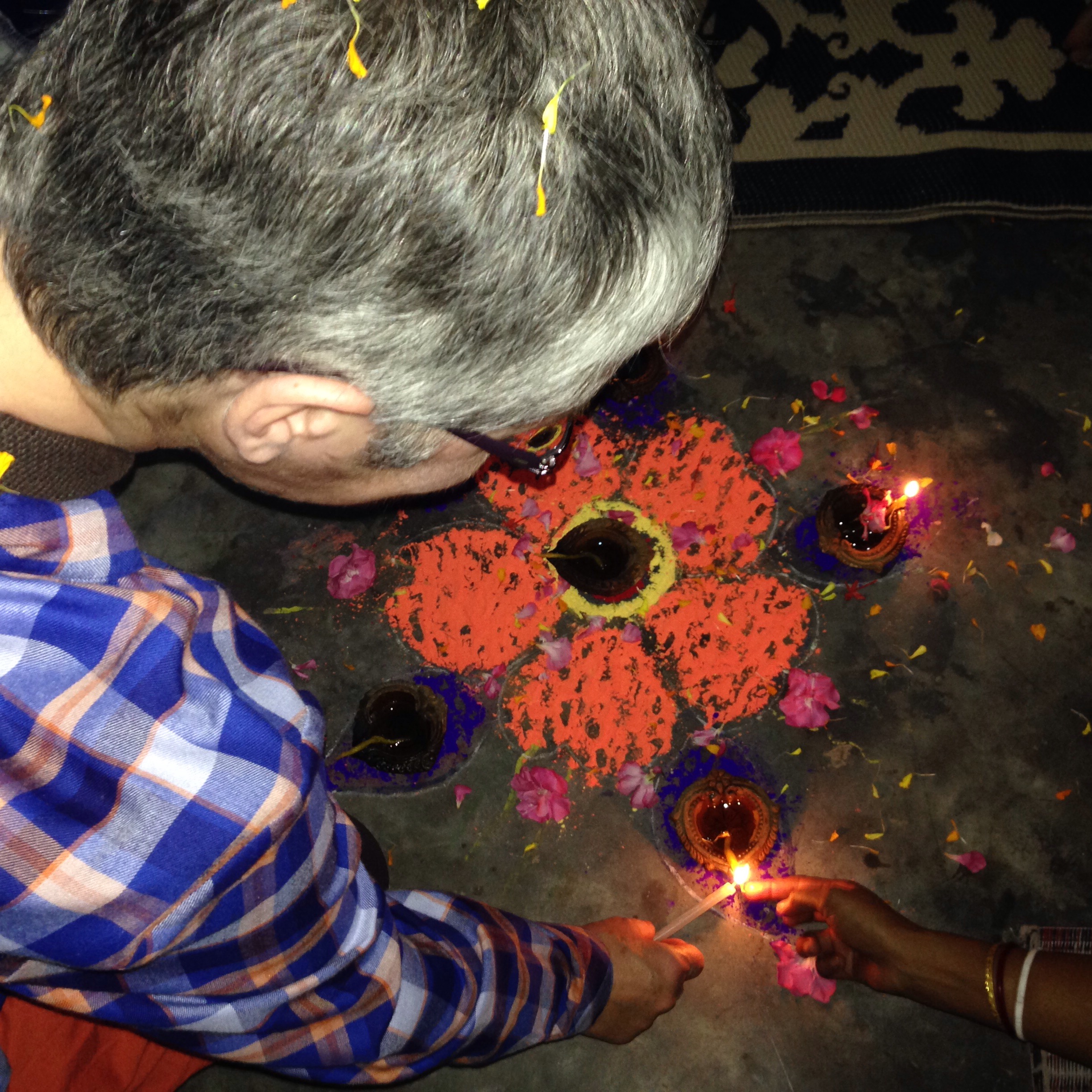
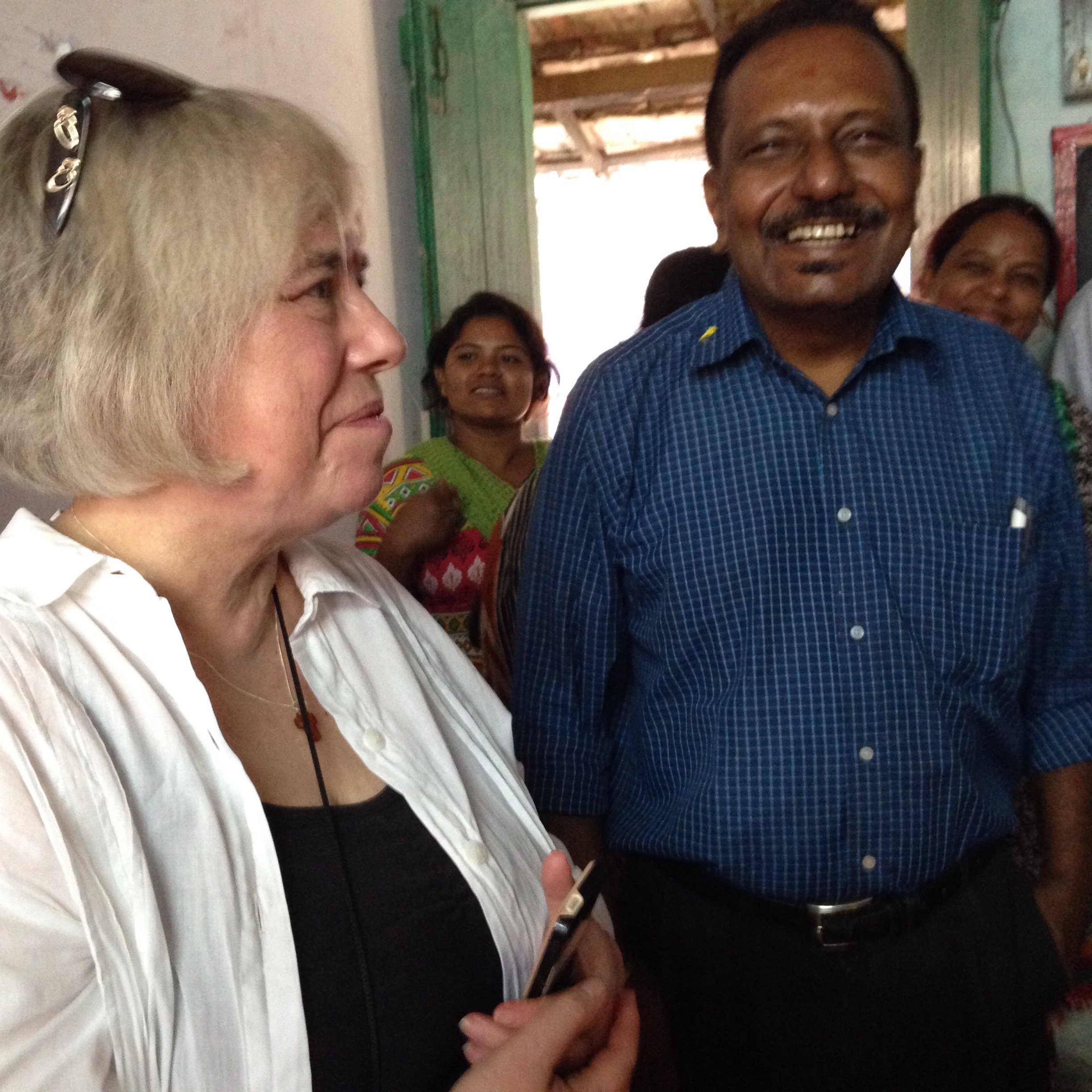
  We’ve been with one of the most impressive of the agencies of the Diocese of Calcutta – Cathedral Relief Services.  The dynamic leader, Rig, took us to the Dum Dum Project which is an area of Kolkata where communities of the poorest are being moved to make way for the development of apartments.  The project provides support for women – helping them to develop sewing skills and to become economically independent – and offering education for their children.  It seemed to us hugely important and positive.
  The schools are fascinating.  St John’s Diocesan School for Girls provides high quality fee-paying education for girls.  There are 4000 pupils and it is deeply impressive.  I found the staff extraordinary in their commitment to the future of the next generation of women in this society – for India has big issues about the place and the safety of women.  While we are here, we will be taking part in a seminar on women’s issues run by Moumita Biswas.

By contrast, we visited yesterday the Chinsurah Project which provides for children who come from homes where there is simply nothing.  Before or after school, they come for a range of activities and are given a good meal.  It’s a simple project but it is hugely important and effective.  And of course the founder of the school next door was Alexander Duff from Scotland

Off to Kolkata. #pisky #anglican

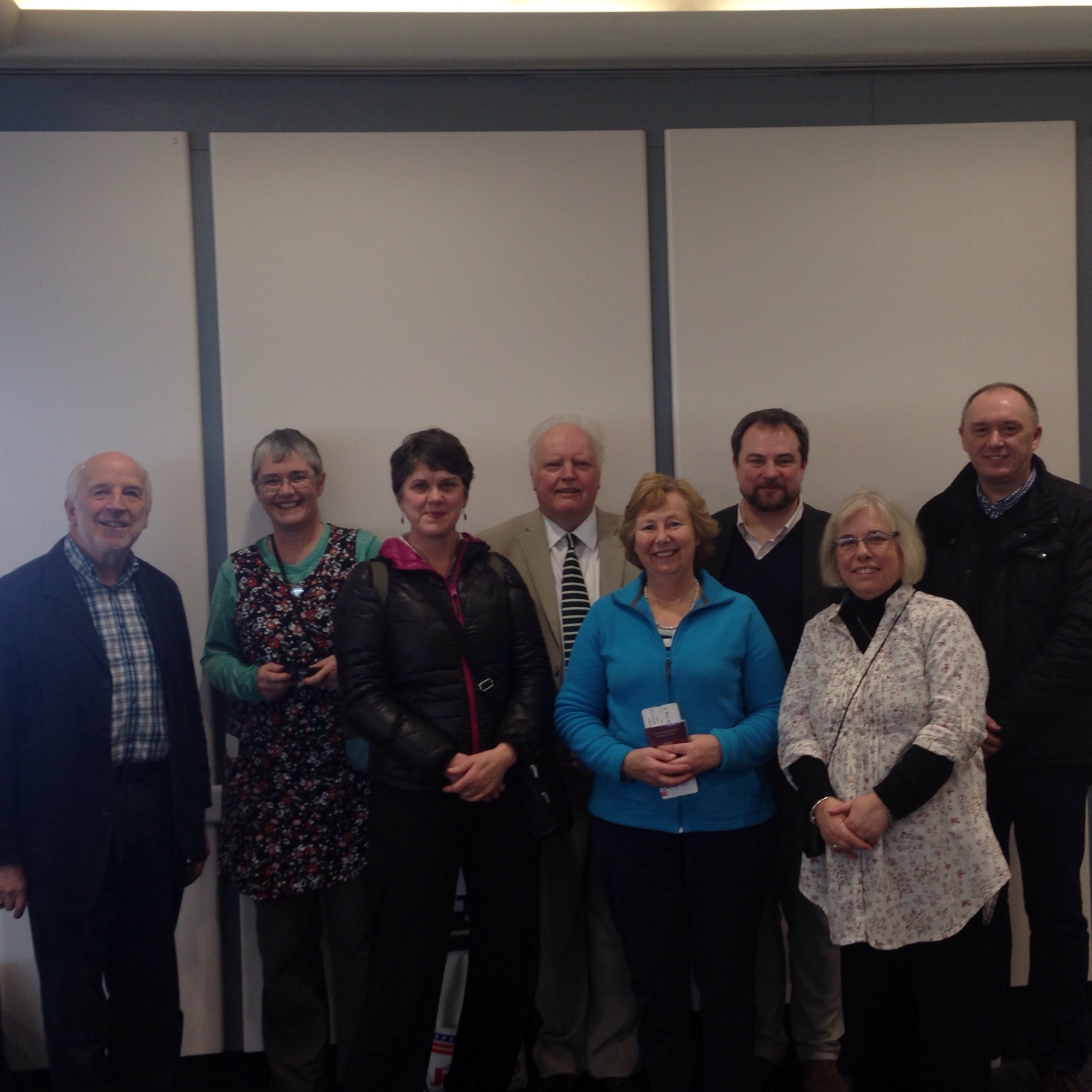
  We are off to Kolkata for a week – eight of us from our diocese.  The Diocese of Calcutta is our Companion Diocese and we are going for the celebrations to mark the end of the 200th Anniversary Year of the diocese.  As always things get a bit complicated – what with the weather and the closure of the Forth Bridge.  But Poppy the cat was safely handed over in the car park at Stirling Services so we are ready to go.

We are going to be doing a bit of exploring in the diocese and, probably, quite a bit of sitting in the Kolkata traffic.  We have most of the contents of several Boots Pharmacies with us so all should be well.

I’ll be preaching at the Anniversary Service and we hope to meet the President of India who will be there. To put it mildly, there is still a bit of work to do on that.  Rev Dan O’Connor has been briefing me about Thomas Middleton, the first bishop.  And there is the colonial past and the Scottish part in that.  And more recently the birth of the Church of North India as an icon of visible unity.  A lot to think about.